
FOOTWEAR TRENDS 2026: WHAT BUYERS AND BRAND NEED TO KNOW

Footwear Trends 2026: What Buyers and Brands Need to Know
The footwear industry continues to evolve at an incredible pace. As consumers demand more from every pair — in comfort, design, and sustainability — brands and manufacturers must look ahead to stay competitive.
Here are the key trends shaping the footwear market for 2026 — insights every buyer and brand should keep in mind when planning upcoming collections.
1. Sustainability Becomes Standard
Sustainability is no longer a niche — it’s the baseline. By 2026, most major footwear brands will be required to demonstrate traceable, eco-conscious production.
Expect continued growth in:
Recycled materials and bio-based leathers.
Water-saving manufacturing processes.
Certified sustainable supply chains.
Factories that combine scale with responsibility will be the preferred partners for global brands.

2. Smart Manufacturing and Technology Integration
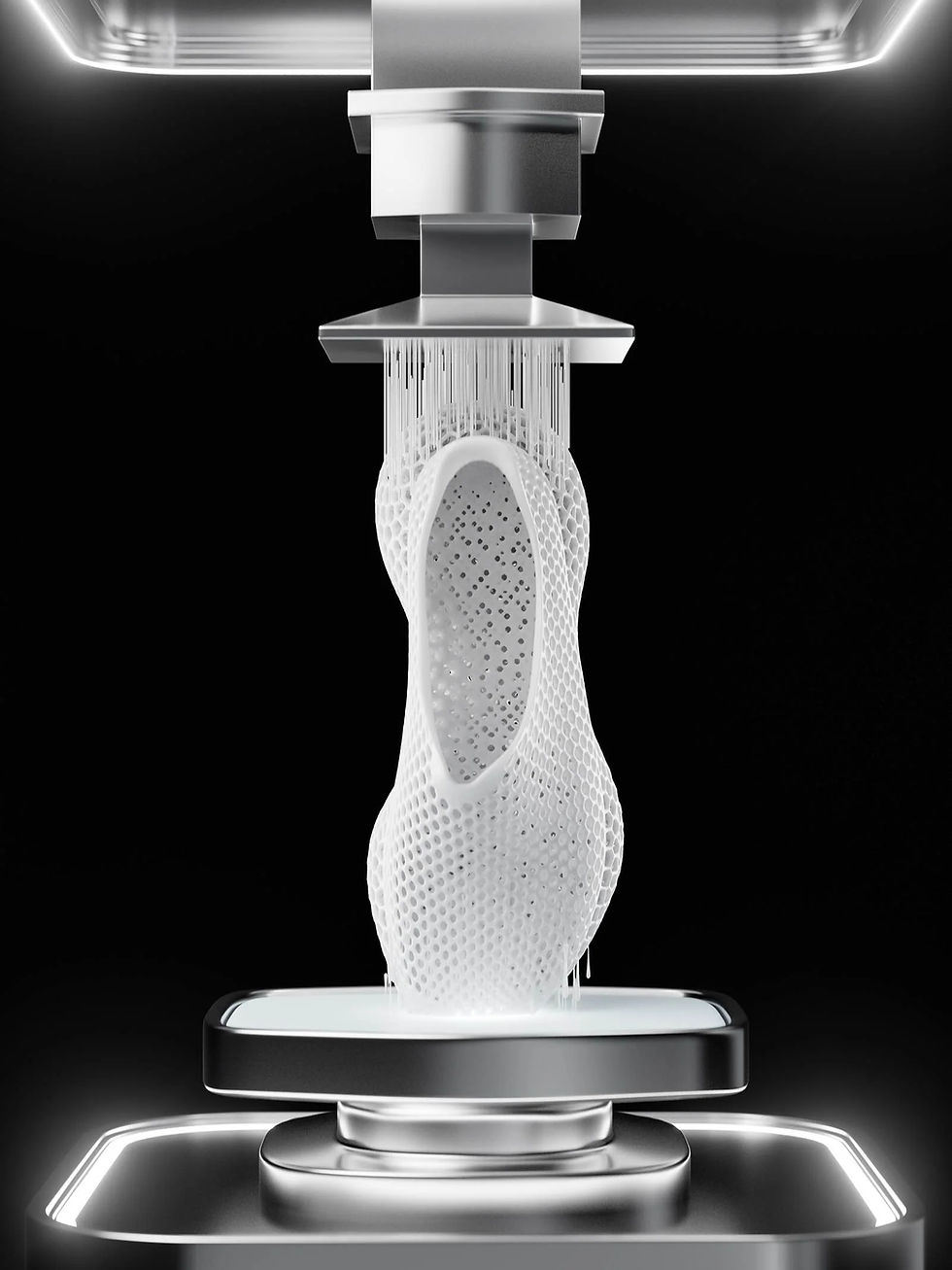
Automation, AI, and 3D modeling are reshaping how shoes are made. In 2026:
AI design tools will predict consumer trends and create optimized prototypes in hours.
3D printing will be used for rapid prototyping and customized components.
Digital twins will allow virtual testing before production begins.
These innovations mean faster lead times, fewer errors, and more flexible production for brands.
3. Comfort and Ergonomics Drive Design
Consumers are prioritizing comfort and functionality more than ever. The future of footwear design blends fashion with wellness — think flexible soles, adaptive fits, and materials engineered for breathability and support.
For brands, this means collaborating closely with manufacturers who understand anatomical construction and can integrate new comfort technologies seamlessly.
4. Data-Driven Customization
Personalization continues to gain traction. 3D scanning, digital sizing tools, and on-demand production models are enabling brands to offer made-to-order fits without excess inventory.
Manufacturers equipped with digital production systems will have an edge in delivering tailored solutions efficiently and sustainably.
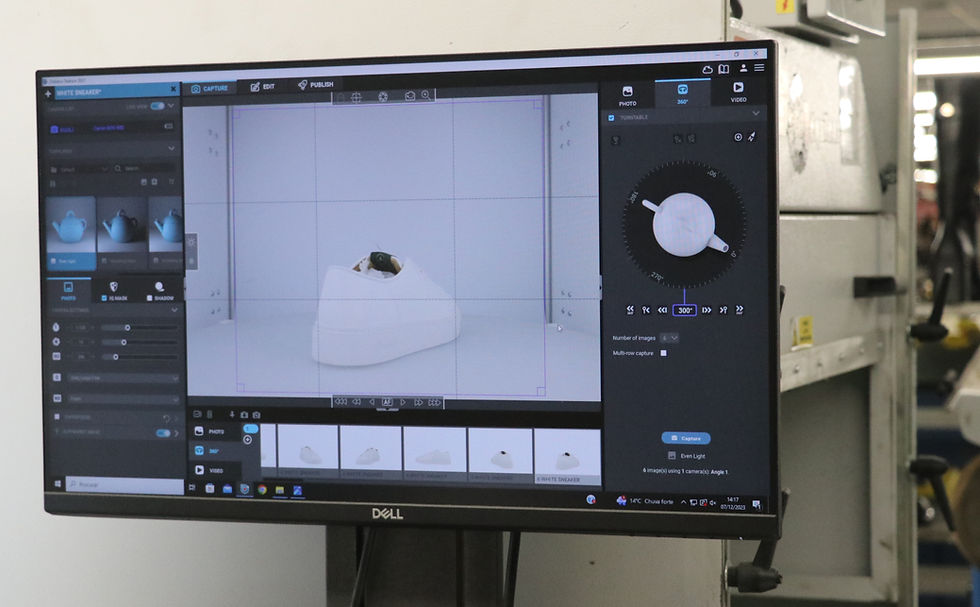
Image 3 : 3D scanning at Rodiro factory
5. A Return to Craftsmanship
Even as technology advances, buyers are valuing authentic craftsmanship more than ever. In 2026, expect to see a renewed appreciation for quality stitching, premium materials, and the human expertise behind every pair.
Factories that balance modern innovation with traditional know-how — like those in Portugal’s Felgueiras region — will continue to set the global standard for excellence.

Image 4: Rodiro HQ in Felgueiras, Portugal
Looking Ahead
The footwear industry in 2026 will be defined by smart innovation, sustainable practices, and consumer-centered design.
For brands, success will depend on choosing partners who combine technological capability, production flexibility, and craftsmanship — ensuring every collection meets the expectations of a new generation of conscious consumers.
Follow Us on Social Media for Latest


Comments